Genovaitė
Genovaitė Vitkienė (1904–1980) – teacher, officer’s wife and mother of seven.
Genovaitė Grybauskaitė-Vitkienė (1904–1980) was a teacher, the wife of Juozas Vitkus-Kazimieraitis and the mother of seven children. After her husband’s death she raised six children alone, spent eight years in exile in Siberia and returned to Lithuania even though returning was forbidden.
“I send my warmest kisses to my dear Genutėlė, the children and Granny.”Juozas Vitkus, last letter to his family, 8 June 1946
A refugee child
- 1904 12 03Born in Riga into a railwayman’s family
- 1916Evacuated to Voronezh
- 1920Her father died
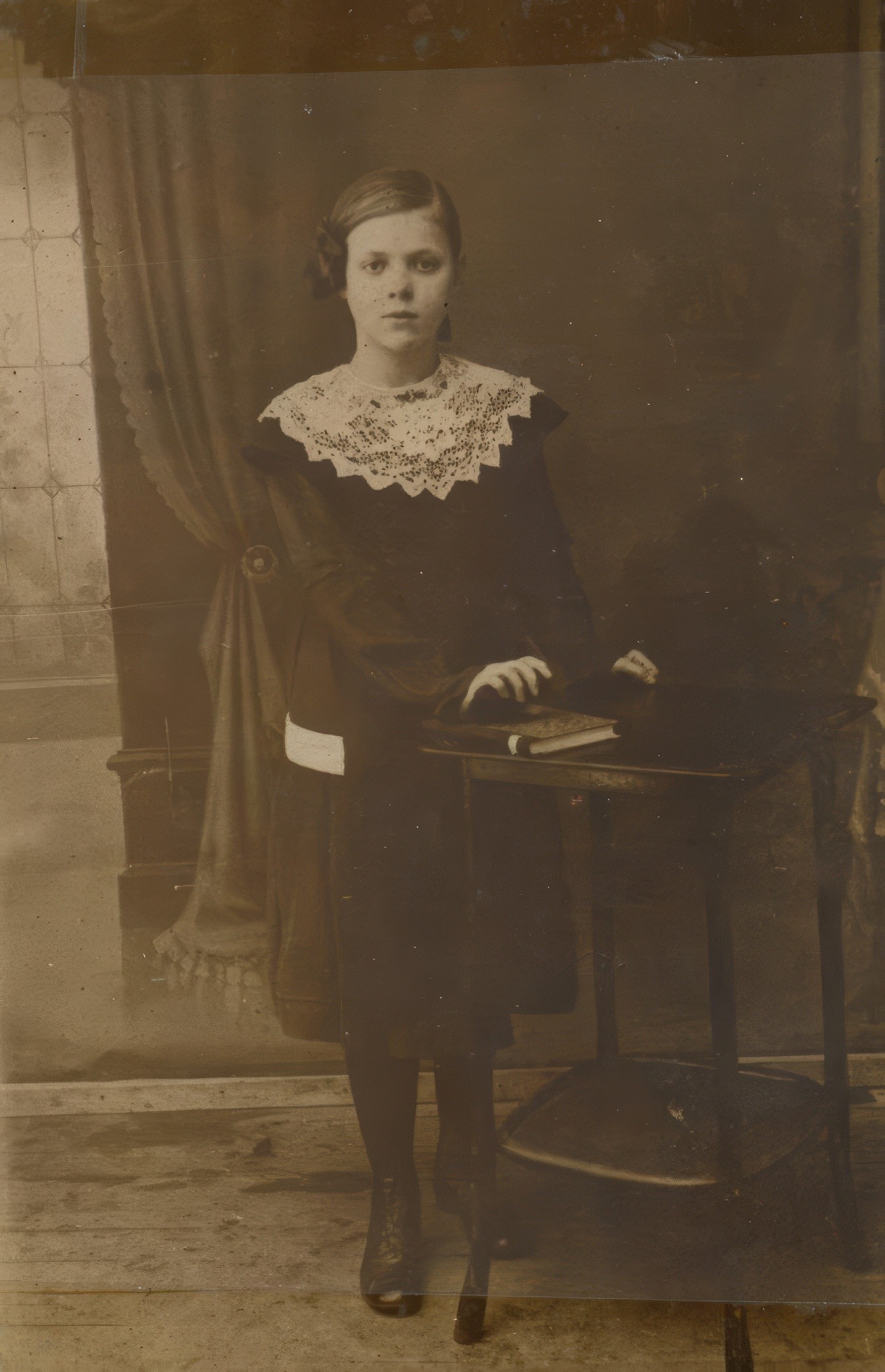
Genovaitė Grybauskaitė was born on 3 December 1904 in Riga, into the family of a Lithuanian railwayman. A large Lithuanian community lived in Riga at the time, and Genovaitė attended a Lithuanian school.
Read the full chapterCollapse1 min
In spring 1916, as the German front approached, her mother and the children were evacuated to Voronezh. Genovaitė lived in a shelter supported by the Lithuanian Refugee Committee and studied at Martynas Yčas’s girls’ gymnasium, which had been moved from Vilnius. Her father had gone missing in the chaos of the evacuation, and the family lived only on her mother’s earnings: when famine began, her mother travelled by train to Ukraine to buy bread or barter. Her brother Antanas died in Voronezh.
At the end of 1918 the gymnasium returned to Lithuania, and Genovaitė was placed in the girls’ shelter of the “Saulė” society. Her family remained in evacuation, where her father died of typhus in May 1920. Her mother had no money for the funeral and paid with salt she had brought from Ukraine.
Teacher
- 1923Graduated from the Panevėžys Teachers’ Seminary
- 1923Teacher at the Panevėžys model school
- 1927 06 05Married Juozas Vitkus
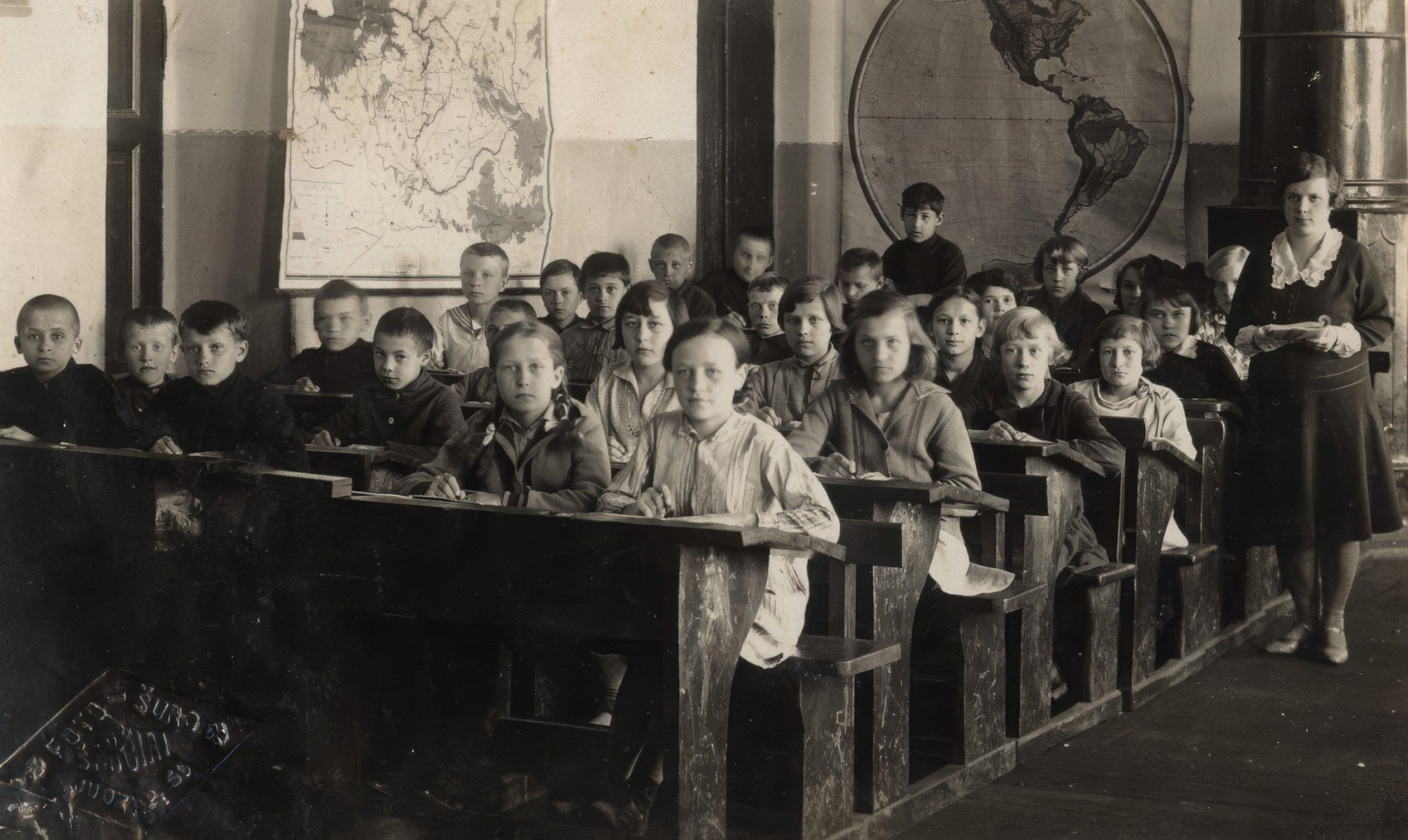
In autumn 1919 Genovaitė entered the Panevėžys Teachers’ Seminary. Four girls shared a room in the dormitory. In June 1923 she graduated and could have continued her studies, but chose to work: she had to help her mother’s family, which had returned to Lithuania and was struggling.
That autumn the young teacher began working at the Panevėžys model primary school. Seminary instructors often gave demonstration lessons in her class for senior students.
At regimental celebrations she met Lieutenant Juozas Vitkus, who served in Panevėžys and played the violin. According to the family, Genovaitė liked his serious, Christian and patriotic outlook on life. They married in Panevėžys on 5 June 1927.
An officer’s wife
- 1930Went with her son to join Juozas in Brussels
- KaunasThe “Birutė” society, celebrations for soldiers’ children
- 1941–1944Supported her husband’s underground work
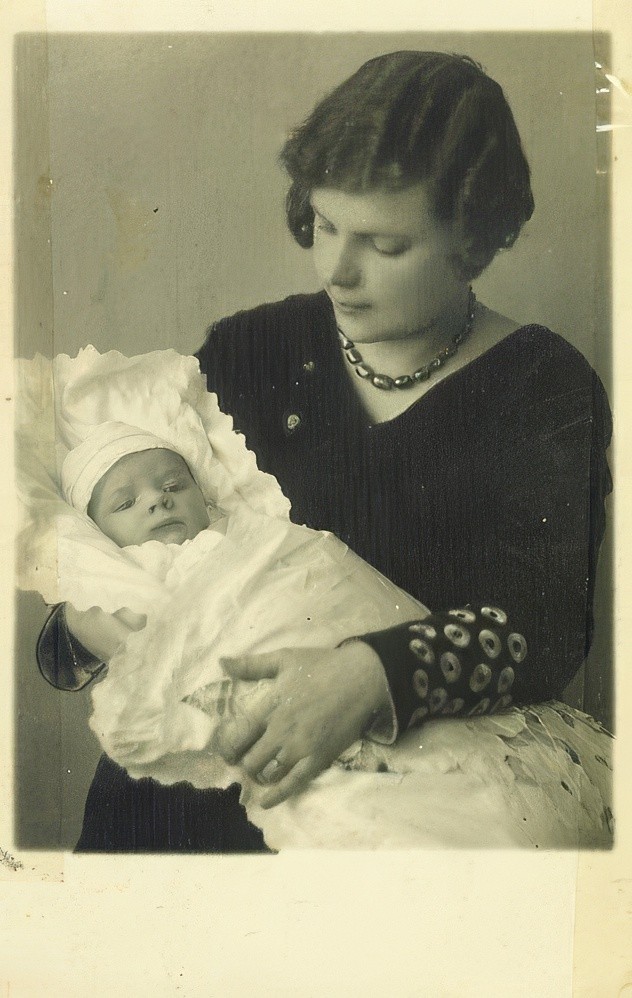
In 1928 their first son Vitolis died, and in 1930 Vytautas was born. While Juozas studied at the Belgian Military Academy, Genovaitė and their son joined him in Brussels, where Rimgaudas was born. From summer 1931 she had to give up teaching to raise the children. When apart, they wrote each other many letters.
Read the full chapterCollapse1 min
In Kaunas Genovaitė was active in “Birutė”, the society of officers’ wives, organising Christmas trees, Easter celebrations and 16 February commemorations for soldiers’ children. The family sang in the evenings, and on Sundays after Mass they went on outings in the countryside or the forest.
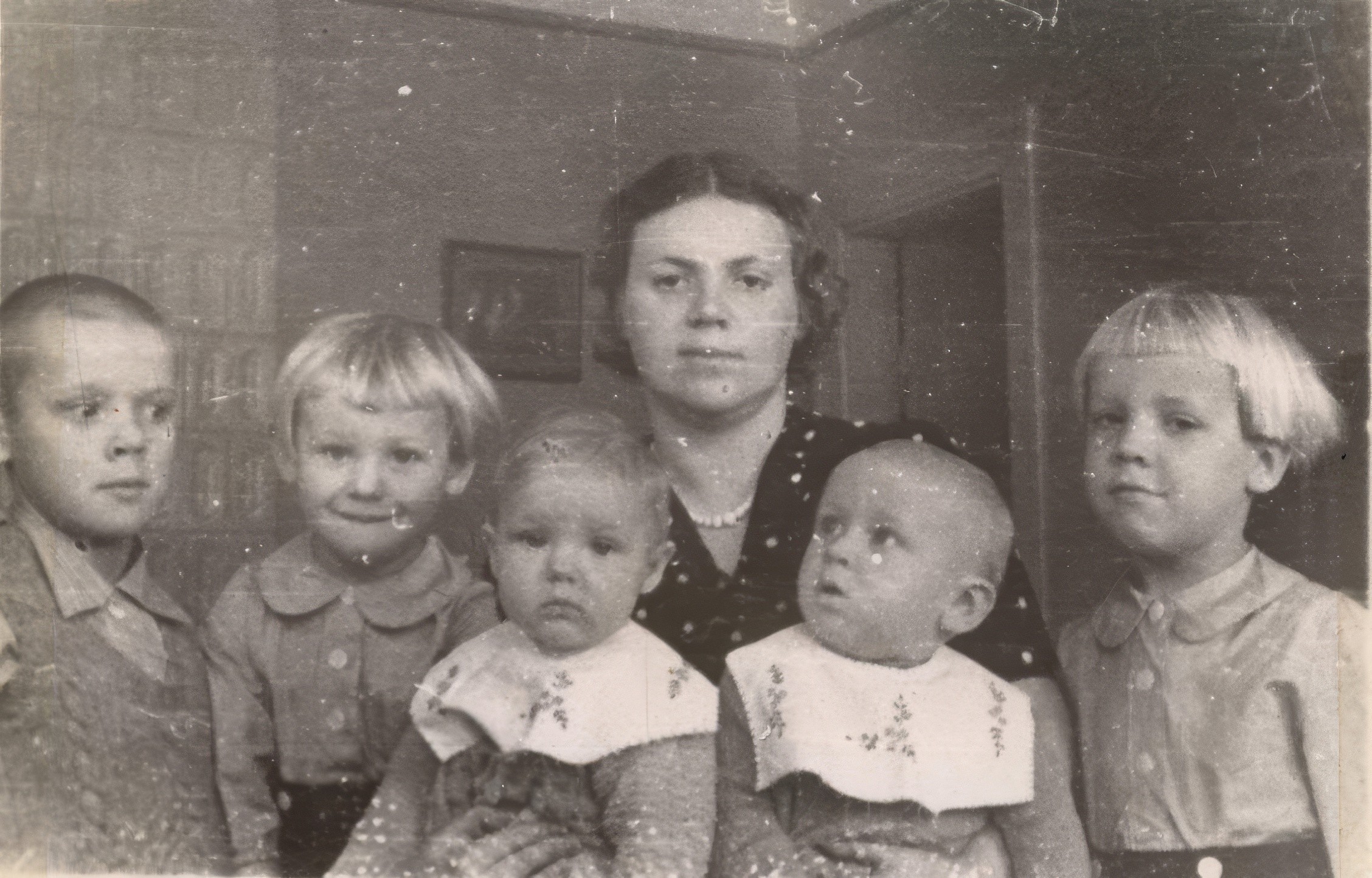
During the German occupation the family lived in Vilnius. Genovaitė knew about her husband’s underground activity and supported it, although the family barely survived on ration cards, and at night she lay awake waiting for him to return after curfew. Her son Vytautas recalled:
“Mother was very anxious then, nervous and trembling for the children’s lives, because the children, woken suddenly at night, were very slow to get dressed.”Vytautas Vitkus, “Prisiminimai apie mamą” (Memories of Mother), 2004
Alone with six
- 1944 10 28Youngest son Liudas born
- 1946 07 23News of her husband’s death
- 1947 01Interrogated by the security service
In summer 1944 the family moved to their own house in Panemunė. The belongings left in the Vilnius flat were looted. Genovaitė later wrote:
“That winter was extraordinarily hard, as we had no clothes, no bedding and no coats. But is there ever just one misfortune?”Letter by Genovaitė Vitkienė
Read the full chapterCollapse1 min
On 28 October 1944 their youngest son, Liudas, was born. The family lacked even bread. Juozas took a job as bookkeeper of the Kabeliai forestry office in Dzūkija. From then on she saw her husband only rarely. The liaison Juozas Jakavonis-Tigras recalled that Kazimieraitis loved his wife very much and thought about how he would grow vegetables by their little house in Kaunas so that the family would not go hungry.
On 23 July 1946, on his way home, her son Vytautas met his mother walking down the street in tears:
“Father has been killed. Let’s go to church and pray.”Vytautas Vitkus, “Prisiminimai apie mamą” (Memories of Mother), 2004
For a long time the family did not believe it and suspected a security service provocation. In January 1947 Genovaitė was interrogated by the security service. Later a “sympathetic gentleman” offered her a teaching job at a vocational school. Only later did it turn out that he was a security agent, but that job helped the family out of utter poverty.
Taljany
- 1948 05Deported with 5 children to Taljany
- TaljanySet up a kindergarten, taught primary pupils
- To the commandantTold the truth: deported because of her husband, who fought the occupiers
In May 1948 Genovaitė and five of the children were deported to Eastern Siberia. Even as she was being taken away in a lorry, she asked the senior guard to pass her salary claim to the school and to return the books she had borrowed from the school library. He did so, and her salary was sent on to Siberia.
Read the full chapterCollapse1 min
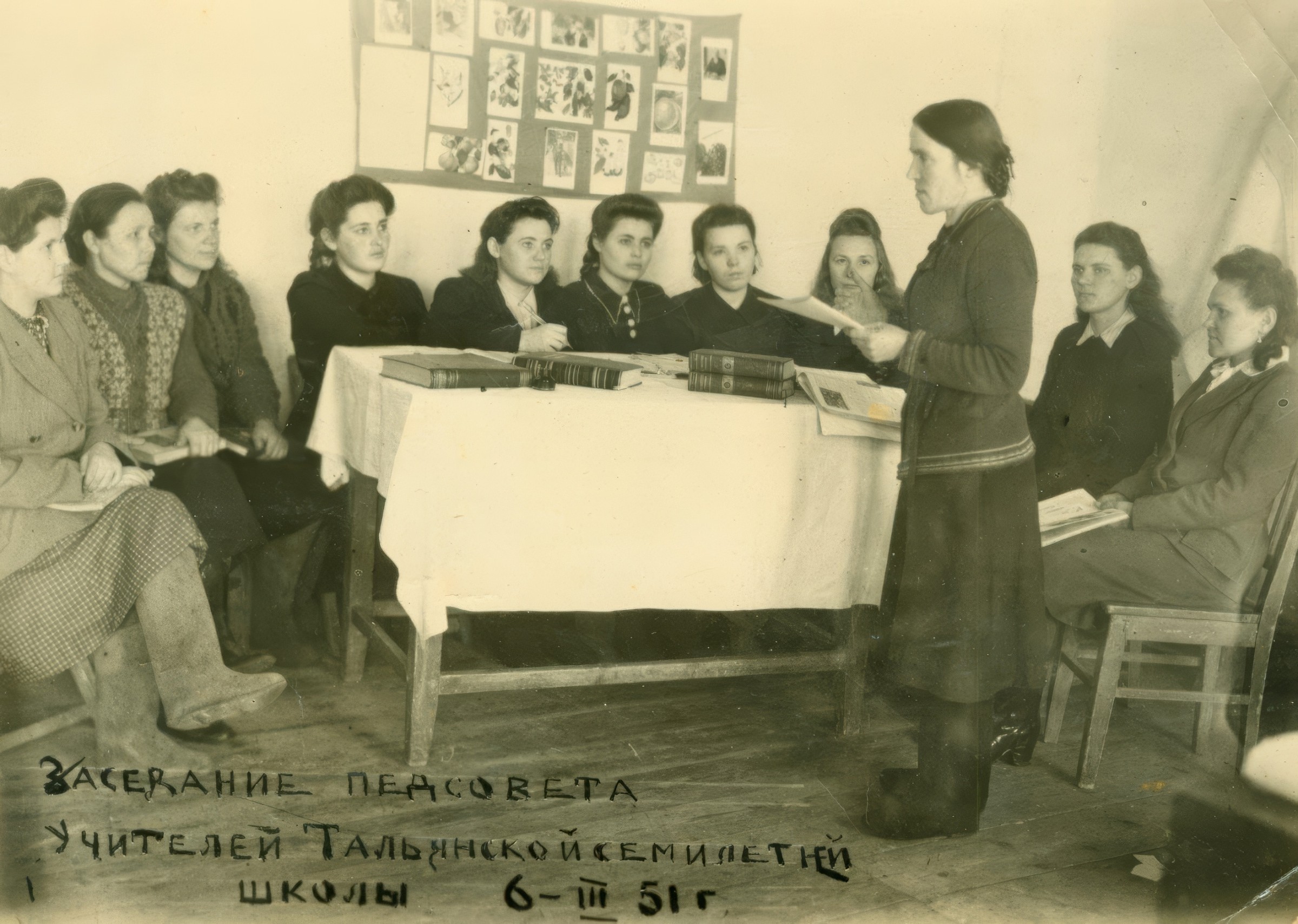
After twenty days in cattle wagons the family arrived in Taljany, in the Irkutsk region. The commandant, Major Stefakin, liked to ask the deportees why they had been deported. Everyone answered that they were innocent. Genovaitė replied in correct Russian that she would not say that: she had been deported because of her husband, who had fought against the occupiers with a weapon in his hands. Later, at a meeting, the commandant praised her as the only one who had told the truth.
The commandant put her in charge of setting up a kindergarten. Food was cooked outdoors, and barely living elderly deportees would gather around the cauldron. Genovaitė would ask the cook to give them some too. Someone informed on her, but the commandant did not reproach her.
For several years she taught in the primary classes, until she, like other Lithuanian women, was replaced by Russian teachers. The school forbade deportees’ children to speak Lithuanian. Washing laundry in the icy river water left her with inflamed finger joints.
Return
- 1956Returned to Kaunas although it was forbidden
- 1980 03 01Died
- 1989The family rehabilitated
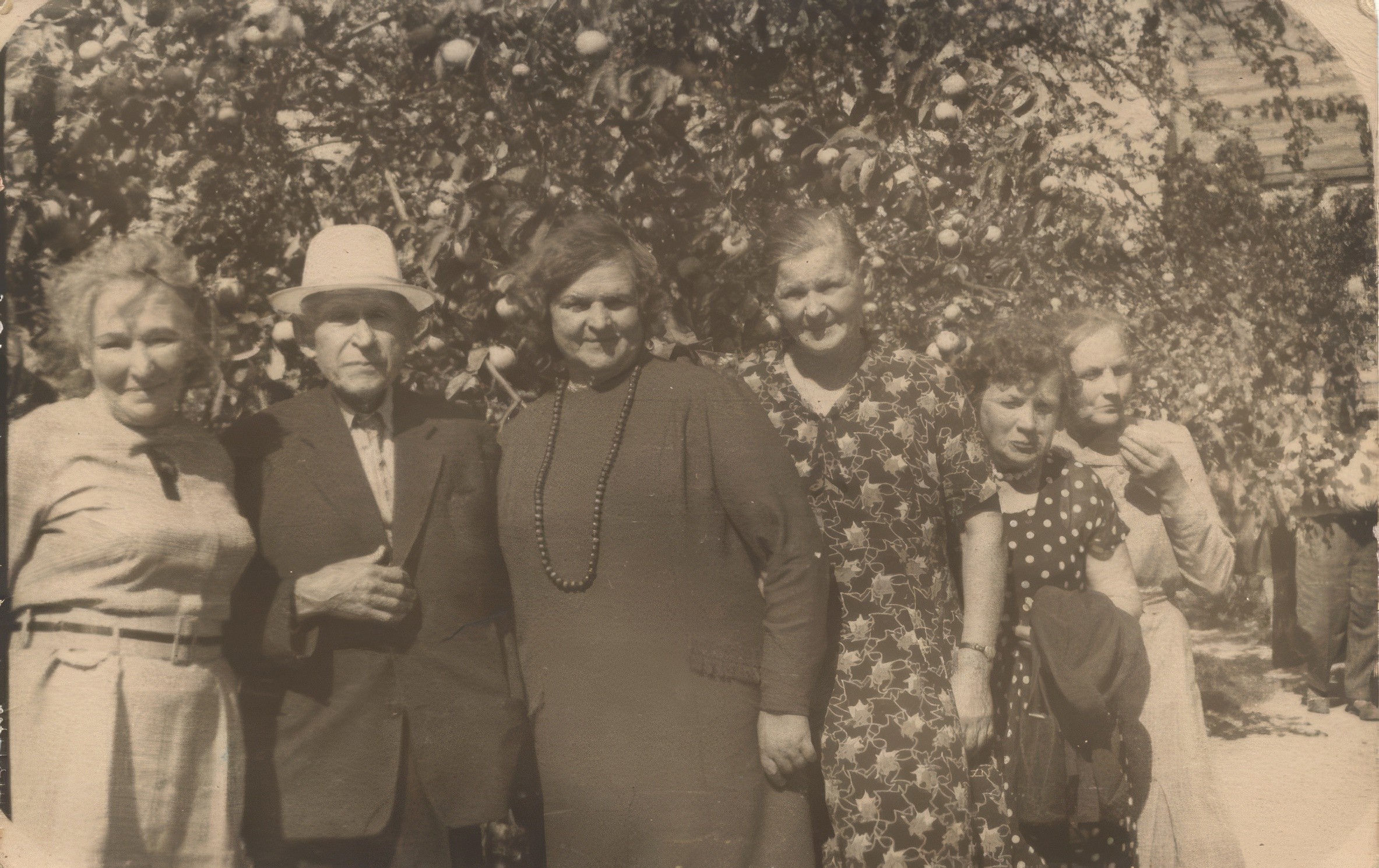
In 1956 the family was released from special exile, but was not allowed to live in Lithuania. Genovaitė decided to take the risk and returned to Kaunas. The authorities refused to register her and demanded that she go back to Siberia. After a complaint, security officers searched the house for weapons. They found none, but in a child’s exercise book they found the song “Let us go home to our homeland”, and her son Kastytis was sentenced to three years in a labour camp.
Read the full chapterCollapse1 min
The children gave all their earnings to their mother. From 1958, as a mother of many children, she received a pension of 54 roubles. She kept in touch with former seminary friends and teachers and wrote them letters:
“I have many children. The children seem good, but I often feel lonely.”Letter by Genovaitė Vitkienė, 8 May 1976
To her grandchildren Rūtelė and Gintaras she wrote about the children who had been left without a father “and in great hardship besides”, and asked: “So be happy, take care of your future and your studies, respect and help your parents, for they are very precious.”
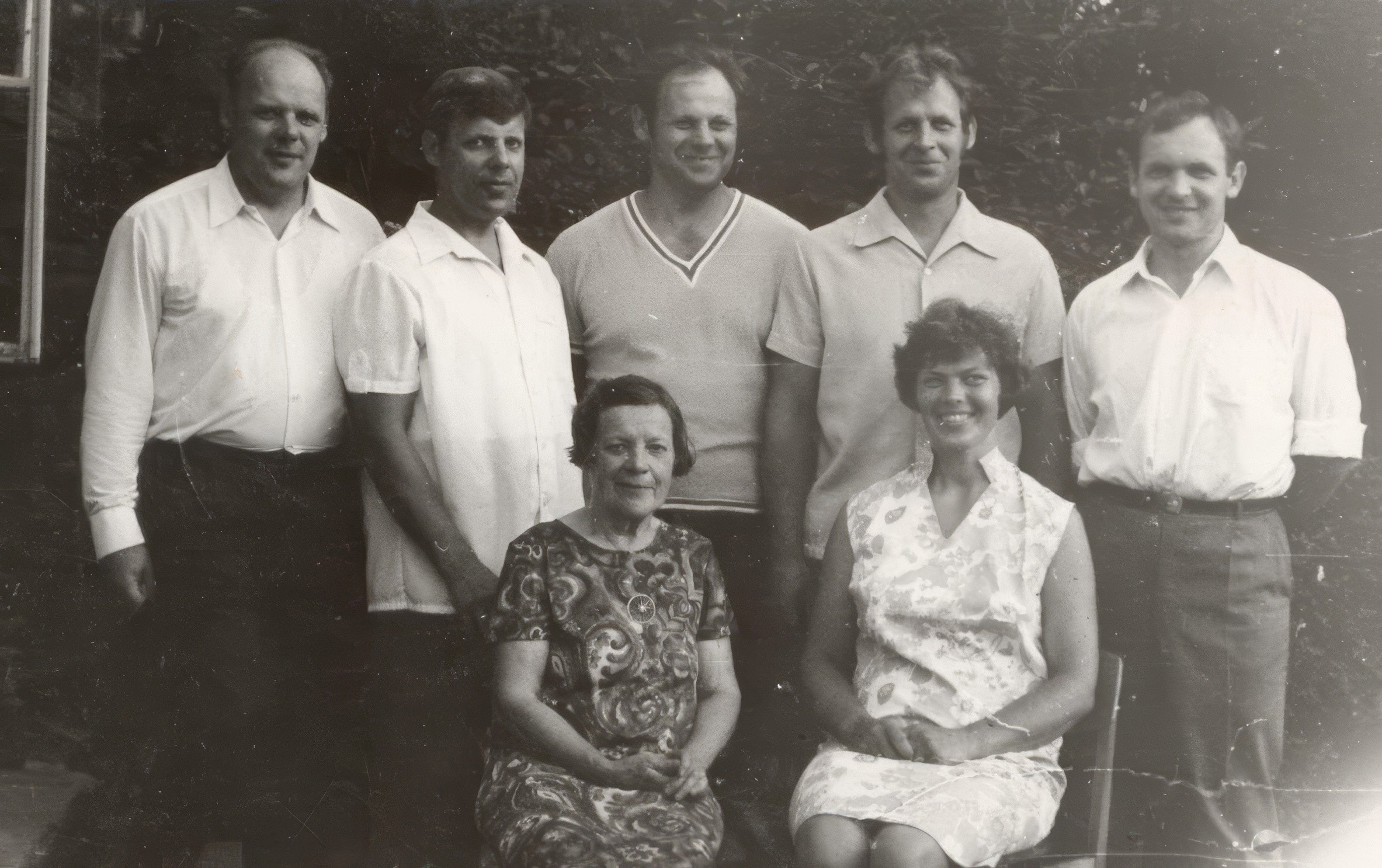
At her 75th birthday, already ill, she asked all her children to live in harmony and peace. Genovaitė Vitkienė died on 1 March 1980. Her family was rehabilitated on 18 September 1989, after 41 years and 4 months of exile.
Sources (in Lithuanian): the Vitkus family text “Mokytoja Genovaitė Vitkienė” (G. Vitkus SJ, L. Vitkus, R. Kinderienė, D. Vitkutė, M. Vitkutė); Vytautas Vitkus, “Prisiminimai apie mamą”, 2004; Vytautas Vitkus, “Pulkininkas Kazimieraitis”, 2017.