Texts
Articles, memoirs and interviews by family members, witnesses and historians, collected while preparing the book. The texts are in Lithuanian.
Articles, memoirs and interviews
Texts collected while preparing the book about Juozas Vitkus-Kazimieraitis.
Family and witnesses
Memoirs of his grandchildren, comrades-in-arms and the people of Kabeliai, and texts prepared by the family.
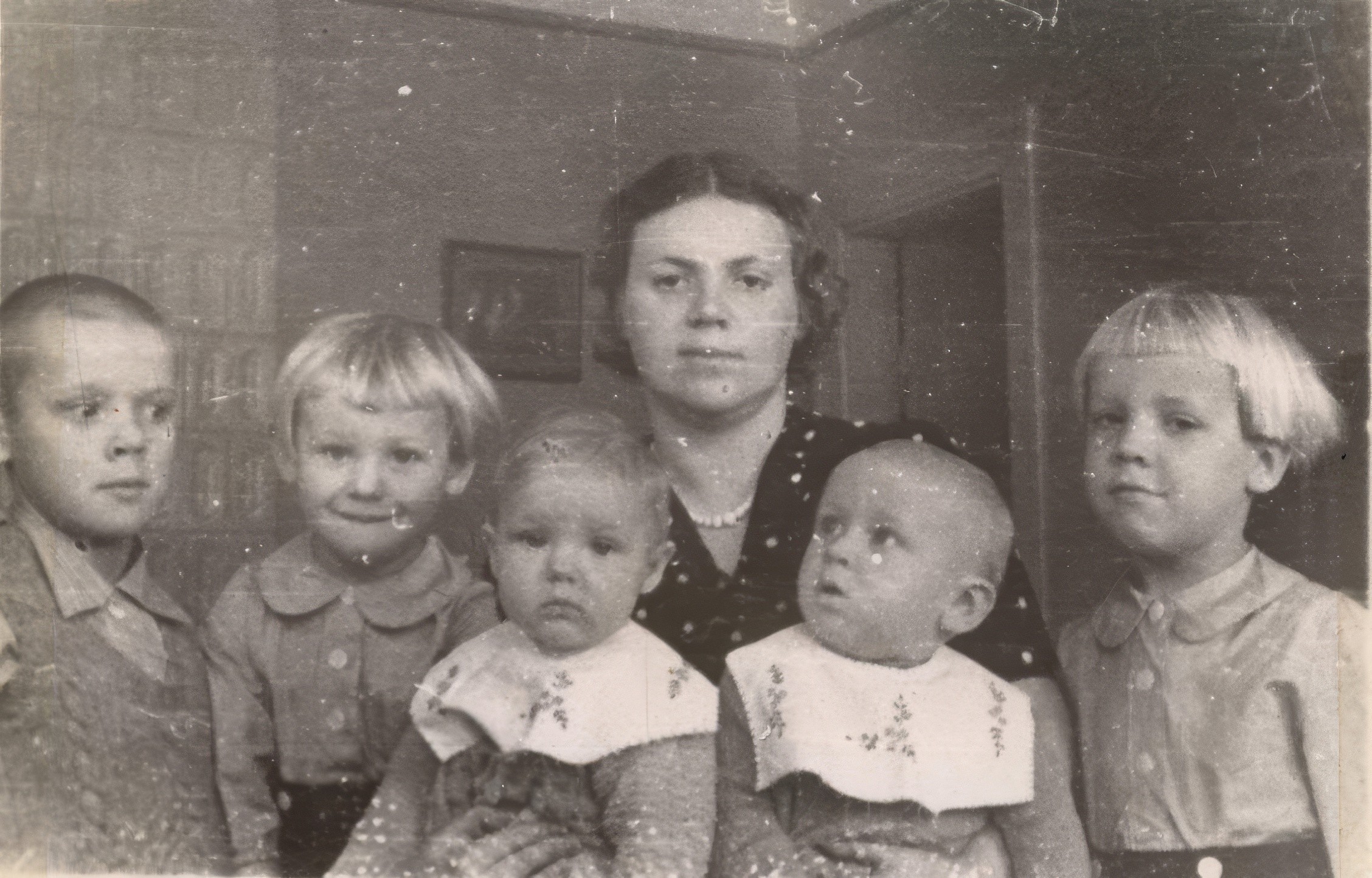
Genutė (LT)
His granddaughter on her grandmother Genovaitė and her grandfather’s letters: “…it is hard to tell where I end and You begin…”
Rūta Kinderienė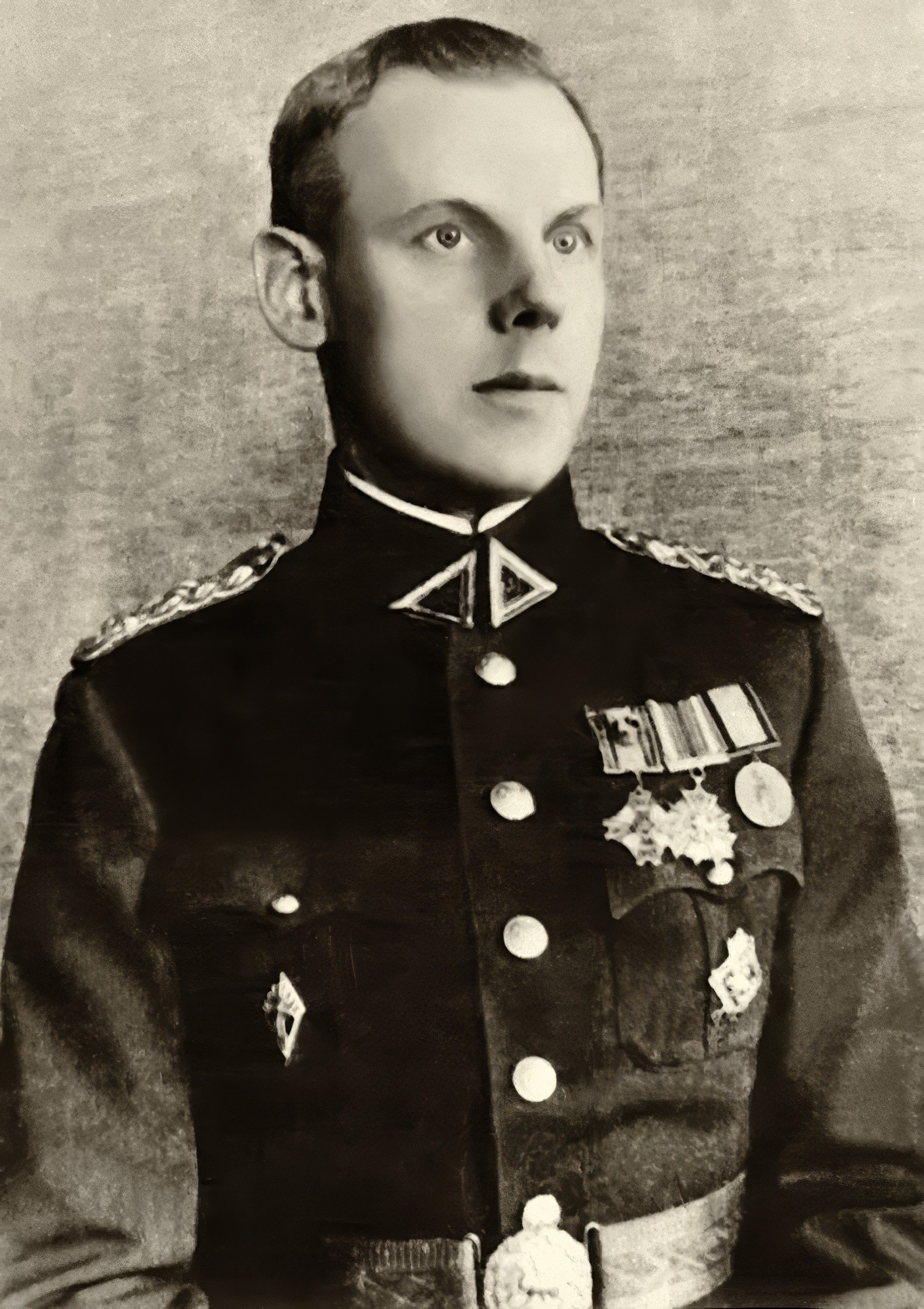
The noble soldier who prayed (LT)
His grandson, a priest, on his grandfather’s piety and leadership style: how faith and duty went together in a partisan commander’s life.
Fr Gintaras Vitkus SJ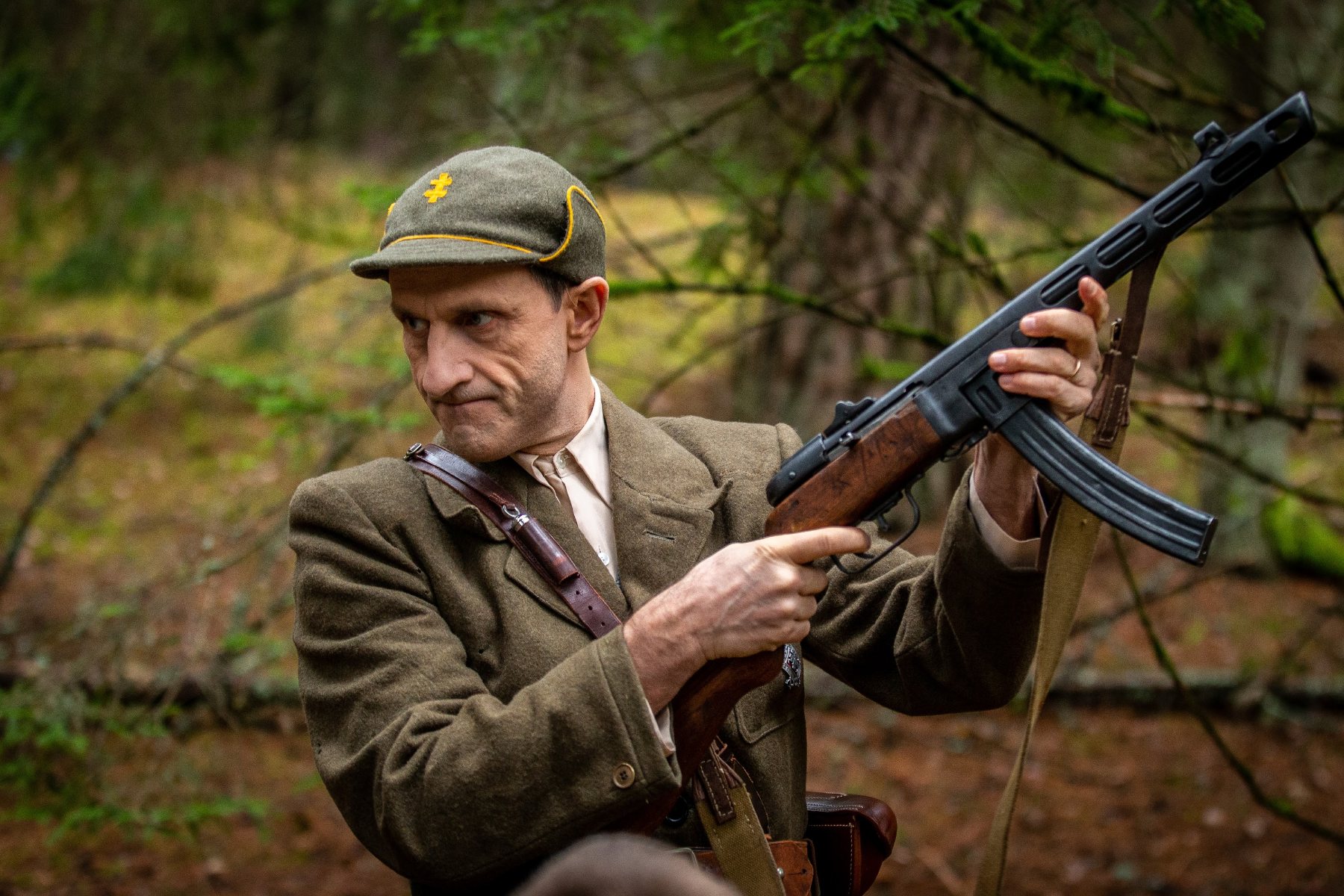
My commander Kazimieraitis (LT)
Memoirs of the liaison Tigras: the Kasčiūnai bunker, the litany, the buttermilk and the last days of fighting at the commander’s side.
Juozas Jakavonis-TigrasThe people of Kabeliai remember Kazimieraitis (LT)
People of the village where Kazimieraitis worked as forestry bookkeeper in 1945, and their children, tell how they knew him.
Collected by Rūta Averkienė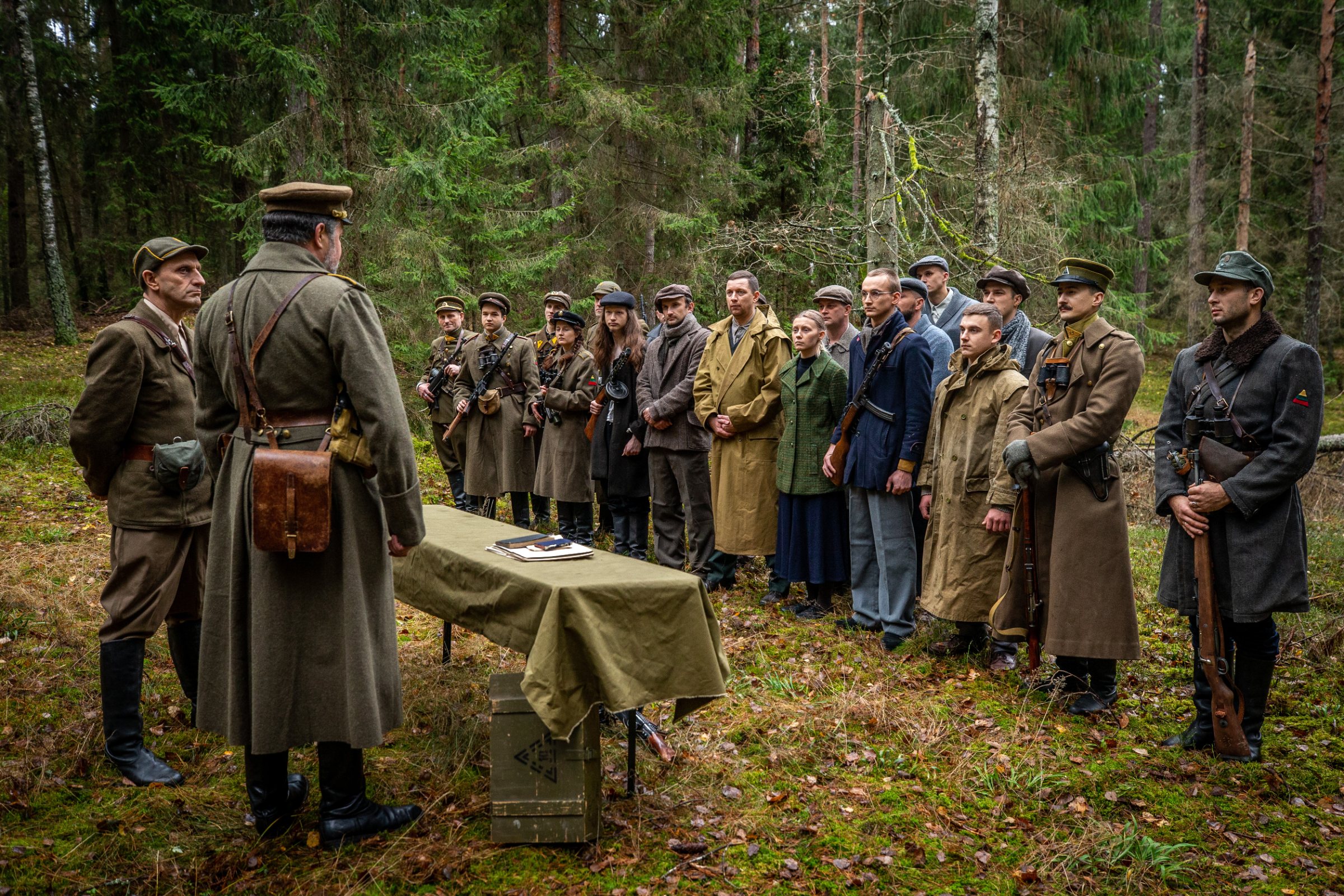
Ten quotes by Vanagas about Kazimieraitis (LT)
In his memoirs “Daugel krito sūnų” (Many Sons Have Fallen), Adolfas Ramanauskas-Vanagas mentions Kazimieraitis more than 400 times. Ten of his most striking passages.
Prepared by Tomas Kašėta and Agnė Zalanskaitė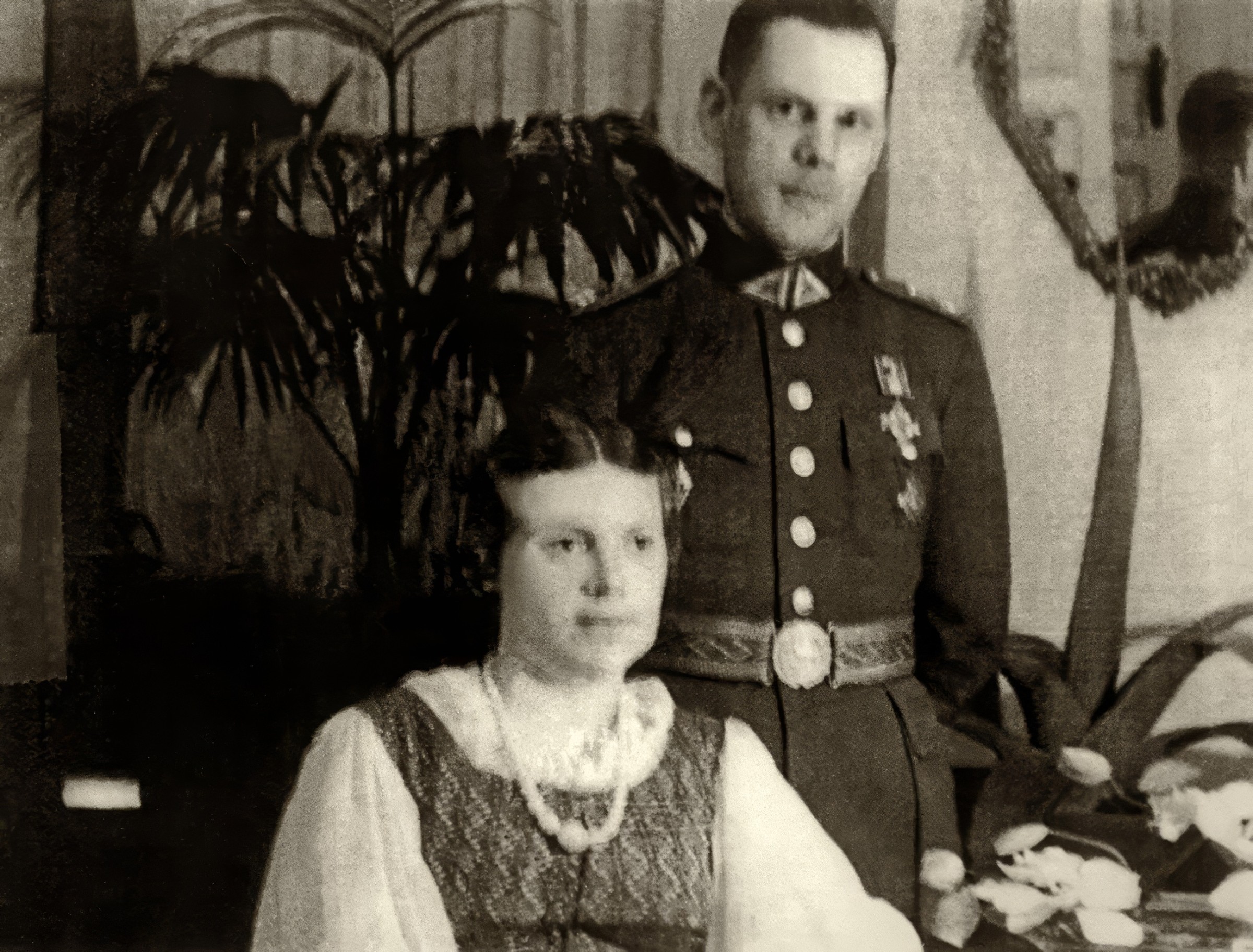
“Not one step from my land”. Part I (LT)
His life from Ketūnai to the Vilnius underground: studies, family, Brussels and an officer’s career. An article for the 120th birth anniversary, “Karys” magazine.
Dalius Žygelis, Agnė Zalanskaitė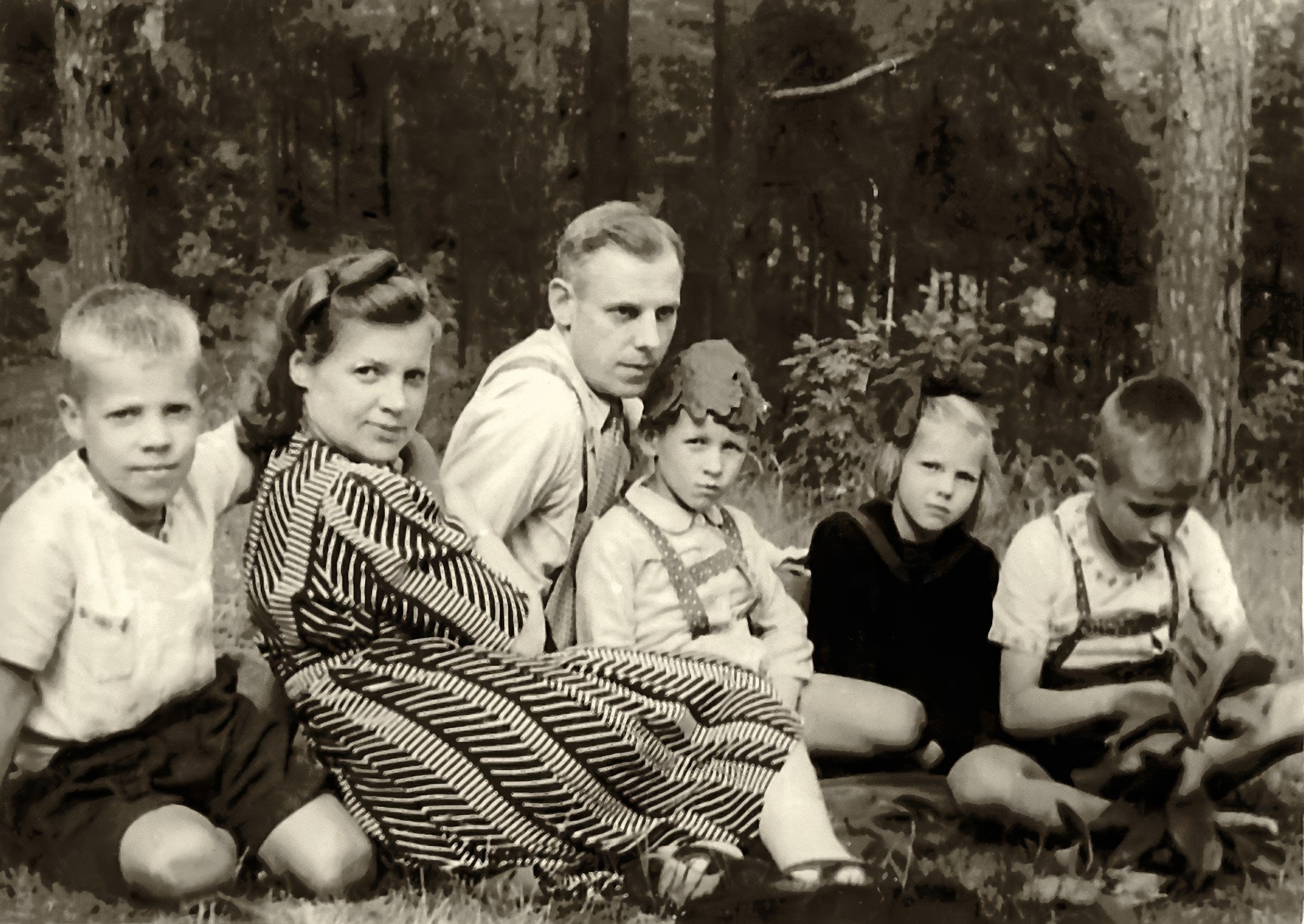
“Not one step from my land”. Part II (LT)
1944–1946: choices, uniting the partisans, the Southern Lithuania staff, his death and the search for his remains. Continuation of the article, “Karys” magazine.
Dalius Žygelis, Agnė ZalanskaitėJuozas Vitkus-Kazimieraitis, 10 December 1901 – 2 July 1946 (LT)
The official obituary prepared for the 2023 funeral: his life, struggle, death and the discovery of his remains.
Genocide and Resistance Research Centre of LithuaniaHistorians
Historians’ research, articles and interviews about the partisan war and Kazimieraitis.
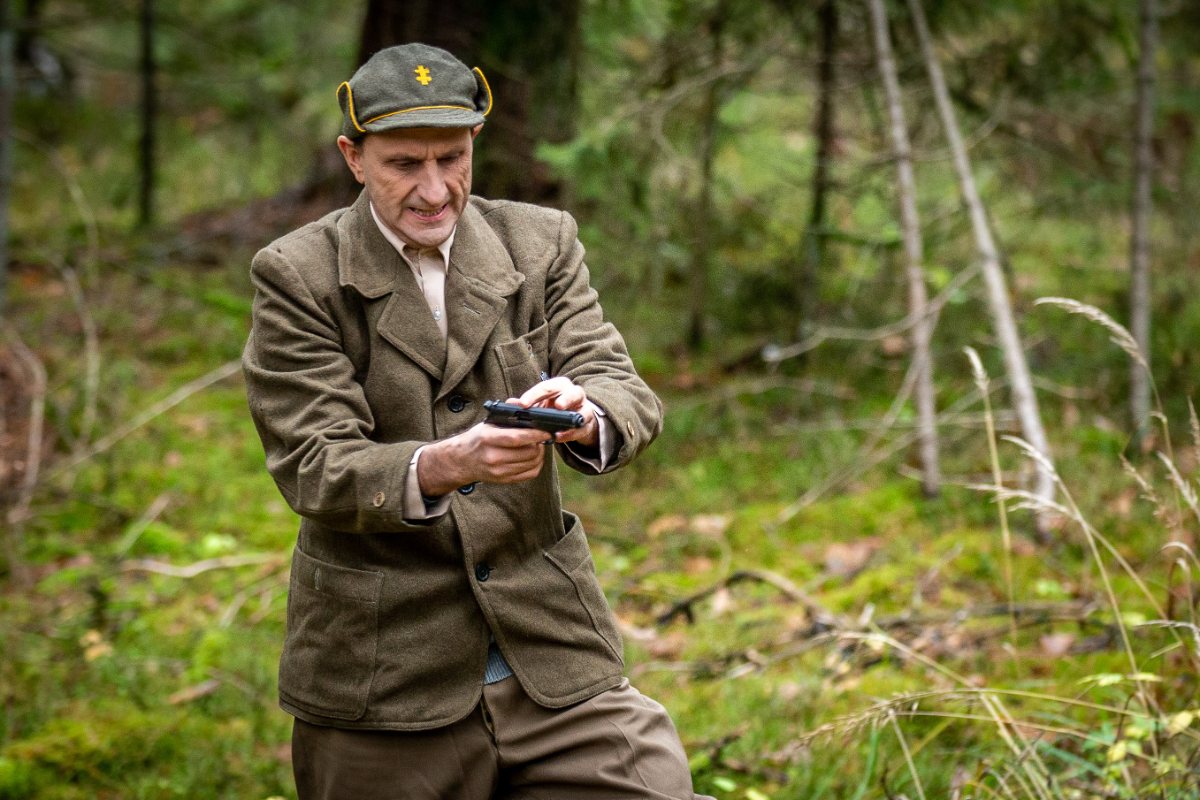
Kazimieraitis’s last battle (LT)
Was Kazimieraitis discovered by chance? The events of 2 July 1946 in Žaliamiškis according to MGB documents and testimonies.
Ernestas Kuckailis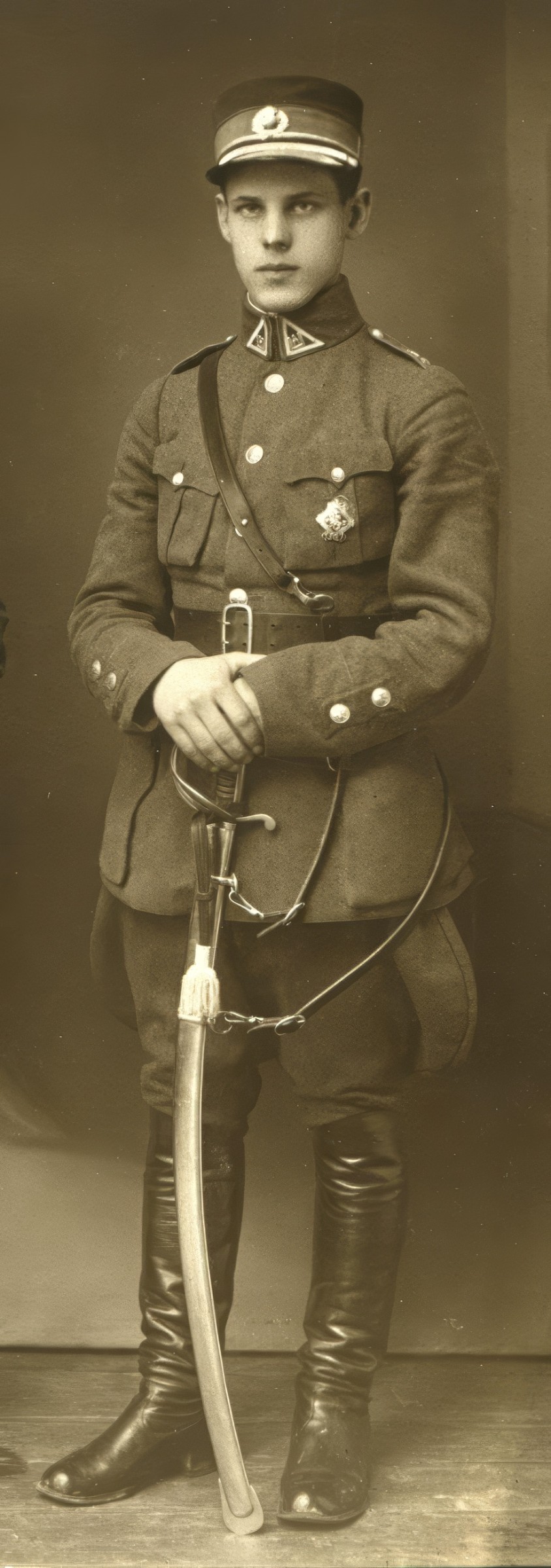
The partisan army (LT)
How a military engineer built a partisan army out of separate units: structure, orders, discipline.
Ernestas KuckailisSoviet terror in Lithuania (LT)
How the Soviet security service tracked the “Kęstutis” organisation and fought the partisans. Based on a historian’s interview for the film “The Ultimate Sacrifice”.
Arvydas AnušauskasAlive underground: anatomy of a bunker (LT)
Not battles, but years of life in wet and cold bunkers – the strongest testimony to the victory of humanity.
Vytautas RaškauskasAn oath to the homeland and family: lessons in values from the partisan ranks (LT)
The history of the partisan war is not only figures and battles. It also speaks of values: loyalty to an oath and love of family.
Mindaugas Nefas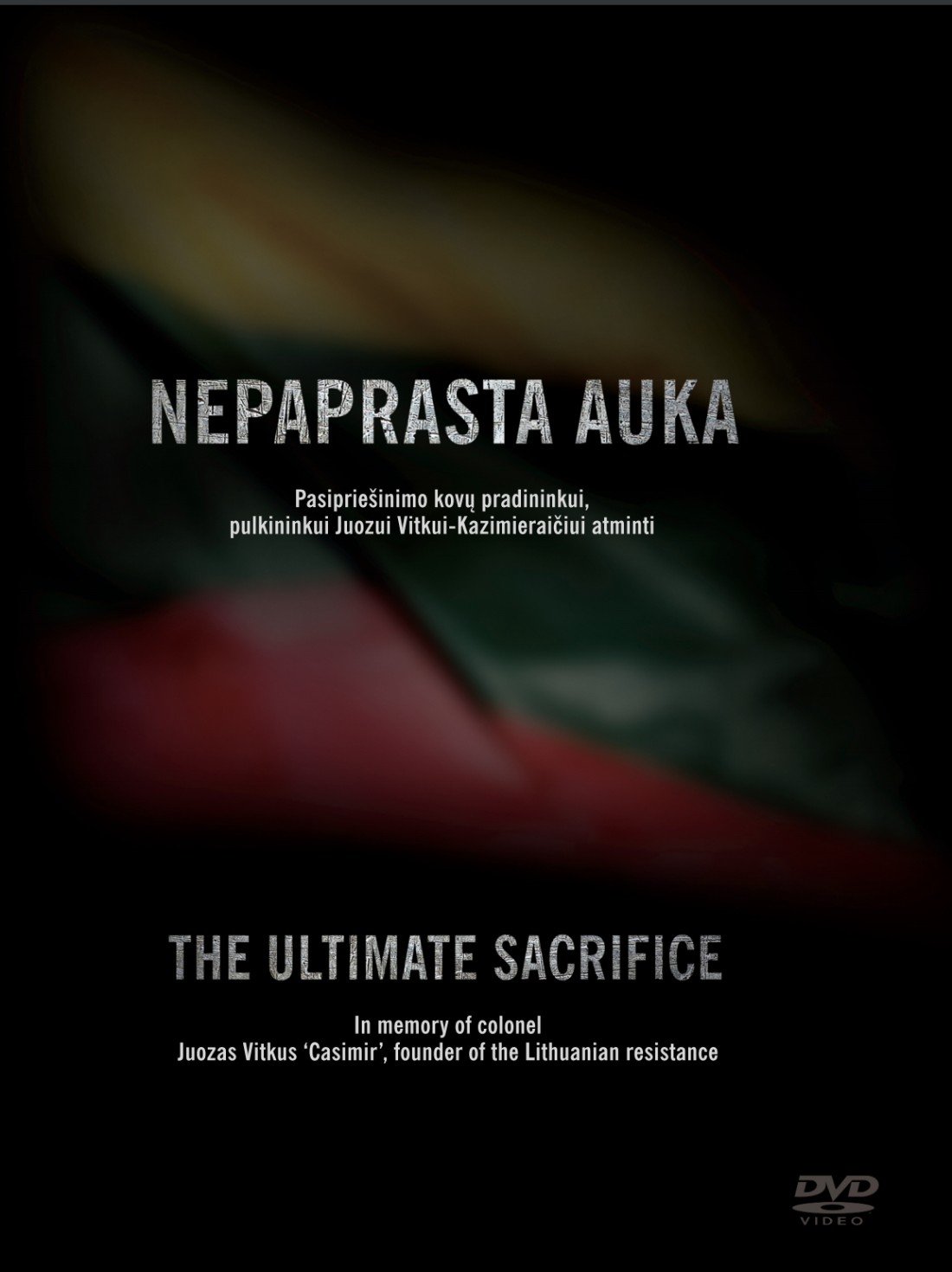
How to honour the partisans’ extraordinary sacrifice today (LT)
A conversation between two friends after watching the film “The Ultimate Sacrifice”: how the memory of the partisans can become part of who we are every day.
Donatas Puslys, Vytautas RaškauskasThe declaration of 23 April 1946 and its context (LT)
A historian on the first declaration of the partisan commanders, its signatories, its fate and its link to the declaration of 16 February 1949.
Interview with Dr Darius JuodisWhy the “quiet Dzūkai” fired up a hot sauna (LT)
Why the resistance in Dzūkija was one of the most intense, and what role Kazimieraitis played in it.
Interview with the historian Algis KašėtaPartisan intelligence and Kazimieraitis’s conspiracy (LT)
The features of partisan intelligence, how it worked in the Dainava District, Kazimieraitis’s conspiracy and his efforts to establish contact with the West.
Tomas KašėtaThe Kaunas War School – alma mater of the partisan war commanders (LT)
Why so many partisan commanders were graduates of the Kaunas War School, and what the school gave the resistance.
Dr Simonas Jazavita